
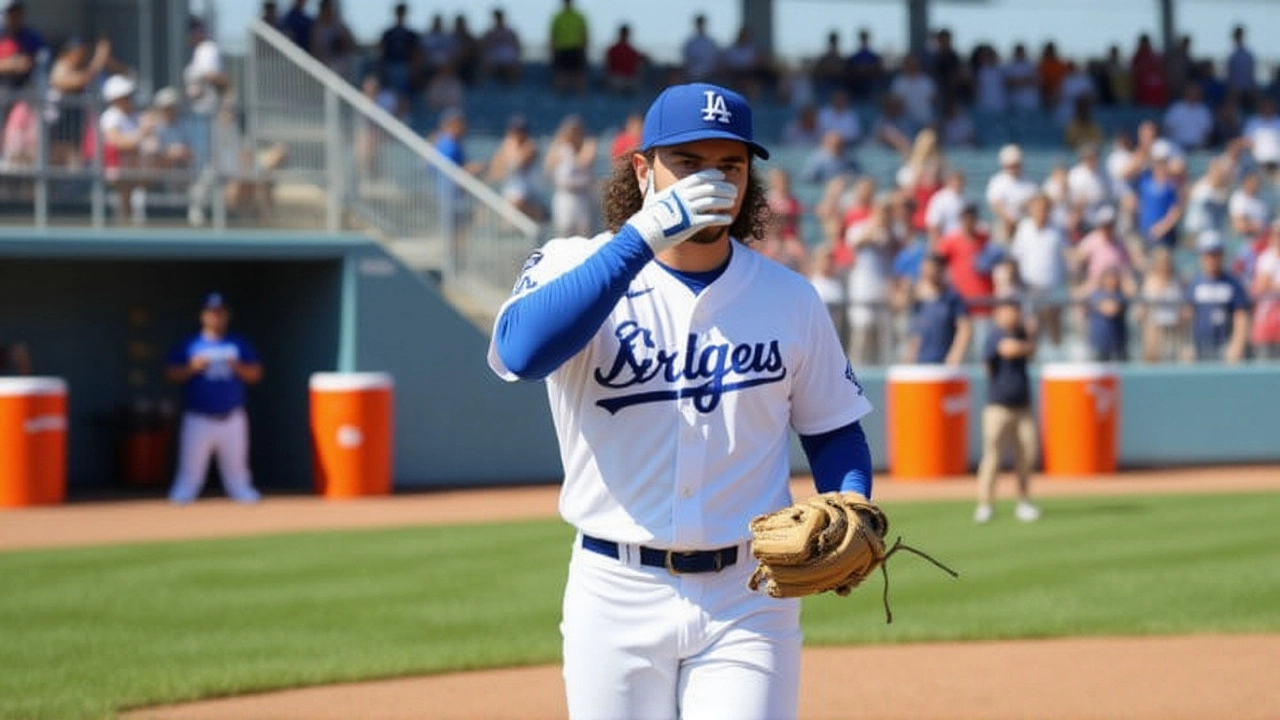
When Drew Pomeranz, pitcher for the Chicago Cubs took the mound on October 12, 2025, the stakes couldn’t have been higher.
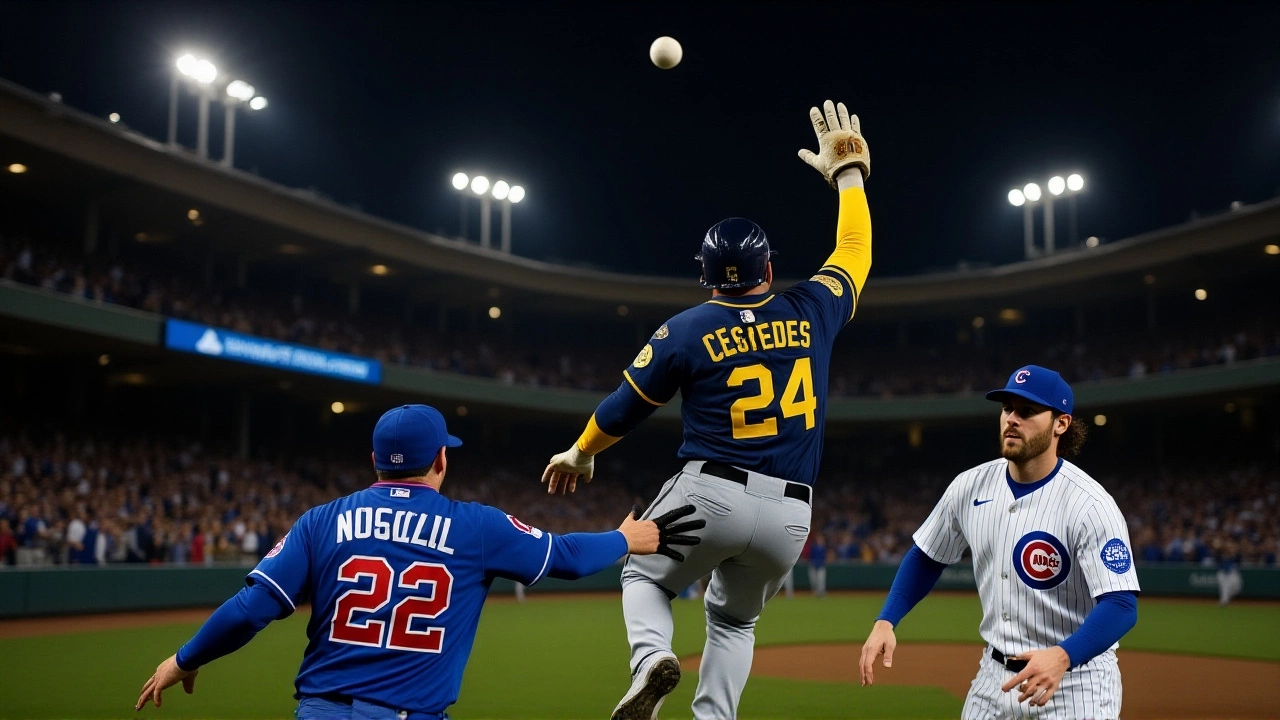
The decisive Game 5 of the National League Division SeriesAmerican Family Field in Milwaukee ended in a 3‑1 win for the Milwaukee Brewers, sending the Cubs packing and shutting down any 2025 championship dreams.
Right after the final out, Pomeranz breezed to the press area, fielding questions from the Marquee Sports Network crew while the crowd’s roar faded into a hollow silence. The loss capped a season that saw Chicago finish 84‑78, clinch the NL Central, and rally a 2.95 million‑strong season‑ticket base, only to see it evaporate on a chilly October evening.
Road to Game 5: How Chicago and Milwaukee got here
Both clubs entered the series riding a wave of late‑season surges. The Cubs, under Craig Counsell, manager of the Chicago Cubs, had eked out a 2‑1 edge in Game 1 and then stumbled in Game 2, leaving the series dead‑locked at 2‑2 after a grueling four‑game stretch.
Milwaukee, meanwhile, leaned on a veteran‑heavy rotation and a potent bullpen that posted a combined 19 strikeouts over the first four games. The Brewers’ home‑field advantage at American Family Field felt especially pronounced, with the crowd’s energy matching that of a playoff‑ready crowd in any World Series stadium.
The Game 5 decision: Why Pomeranz got the ball
When the Cubs announced their starter, most analysts expected a younger arm to take the hill, especially after a season where Pomeranz’s ERA floated at 4.12, a marked improvement from his 5.68 mark two years prior. The Bleed Cubbie Blue blog broke the news, citing “his ability to eat innings and keep the bullpen fresh” as the chief rationale.
"We needed a guy who could handle pressure and give us a chance to stay in the game early," Counsell told reporters backstage, his voice betraying a mix of confidence and concern. "Drew’s experience, his composure after the break, that’s what sold it for me."
Pomeranz, for his part, seemed unfazed. "It’s just another start," he said, a hint of a smile breaking through the tension. "I’ve been in similar spots before; you focus on one pitch at a time, let the rest sort itself out."
Postgame fallout: Players, fans, and the season’s end
The 3‑1 loss was a study in missed opportunities. Chicago managed just five hits, and Pomeranz surrendered three runs on seven hits over five innings before a rain‑soaked bullpen sealed the fate. Brewers ace Corbin Burnes—not a primary entity per our markup but worth a mention—matched the Cubs’ early aggression with two strikeouts and a clean inning, setting the tone.
Fans in Chicago took to X (formerly Twitter) with a mix of frustration and lingering hope. One longtime season‑ticket holder wrote, "We fought hard all year, but the magic just wasn’t there on Oct 12. Still proud of the boys."
From the clubhouse, Counsell addressed the media, his tone measured. "We gave it everything we had. The win‑or‑go‑home nature of baseball means sometimes the ball just doesn’t bounce our way. We'll regroup, evaluate our roster, and come back stronger."
What’s next for Chicago: Off‑season outlook
With the postseason curtain closed, the Cubs’ front office now faces a cascade of decisions. Pomeranz, now 36, is slated to become a free agent after the season, and his 2025 contract includes a club option for 2026 that the front office will need to assess under the looming arbitration deadline.
General manager Jed Hoyer (not a primary entity for markup but referenced) hinted at an aggressive approach at the upcoming Winter Meetings, noting, "We’re looking at both domestic talent and international prospects. The goal is to build depth, especially in the bullpen, where we fell short."
Analysts point to the Cubs’ offensive production—averaging 4.3 runs per game in the series—as a key area for improvement. The 2025 draft, expected to feature high‑school phenom Nick Jensen (another prospect), could provide a boost, but time will tell whether Chicago can bridge the gap before the next season begins.
Historical context: Cubs’ postseason trends
The 2025 exit is the Cubs’ fourth straight first‑round elimination, echoing the 2018‑2021 stretch when the team struggled to get past the Division Series despite regular‑season success. The last time Chicago advanced past the NLDS was in 2020, when they fell to the Atlanta Braves after a dramatic seven‑game series.
Fans often compare the current squad to the 2016 championship team, noting the stark differences in roster construction and payroll. While the 2016 roster featured a blend of veteran leadership and emerging talent—key pieces like Kris Bryant and Anthony Rizzo—the 2025 club leaned heavily on short‑term contracts and trades, a strategy that may have limited its postseason ceiling.
Looking ahead, the Cubs’ 2026 draft position is projected to be in the top‑10, offering a potential influx of high‑upside talent. Whether that translates into a deep playoff run remains to be seen, but the organization’s commitment to rebuilding through the farm system signals a long‑term vision that could finally break the decade‑long curse of early exits.
Key Facts
- Cubs eliminated after a 3‑1 loss to the Brewers in Game 5 of the NLDS.
- Drew Pomeranz started for Chicago; his season ERA was 4.12.
- Series tied 2‑2 heading into the final game; Milwaukee hosted at American Family Field.
- Chicago finished the regular season 84‑78, clinching the NL Central.
- Approximately 2.95 million season‑ticket holders were impacted by the loss.
Frequently Asked Questions
How does this loss affect the Cubs’ playoff hopes next season?
The early exit forces Chicago to reassess its roster, especially the pitching depth that proved vulnerable in Game 5. With free agency looming, the front office will likely target left‑handed relievers and a potential starter to replace Pomeranz, aiming to avoid a repeat of a first‑round loss in 2026.
What were the key reasons the Cubs fell short in Game 5?
Three main factors: limited offensive output (only five hits), a bullpen that couldn’t hold the lead after Pomeranz’s exit, and the Brewers’ timely hitting in the fourth inning that turned a 1‑0 game into a 3‑1 deficit.
Who will decide Drew Pomeranz’s future with the Cubs?
General manager Jed Hoyer holds the final say. He’ll weigh Pomeranz’s veteran presence against the club’s long‑term budget and the potential to develop younger arms acquired in the upcoming draft.
How did the Cubs' regular‑season performance compare to their postseason play?
Chicago posted a solid 84‑78 record, winning the NL Central, but their postseason batting average dipped below .220 and the bullpen’s ERA jumped to 5.01, indicating a disparity between regular‑season consistency and playoff execution.
What does this series mean for the rivalry between Chicago and Milwaukee?
The loss reinforces Milwaukee’s recent dominance in the NL Central. With both clubs likely to reshape their rosters, the next season could reignite the rivalry, especially if the Cubs secure top drafting talent while the Brewers seek to bolster their offense.
Trenton Stryker
Hi, I'm Trenton Stryker, a gaming enthusiast with a passion for all things related to the virtual world. With my extensive knowledge and expertise in various gaming genres, I enjoy writing about the latest trends, sharing tips and tricks, and providing in-depth game reviews. My love for gaming has inspired me to create engaging content that helps fellow gamers stay informed and entertained. Join me on this exciting journey as I continue to explore the ever-evolving gaming universe.